
Aspiring Women Inventors Still Stalled by University Patriarchy

This article underscores the challenges and progress in women’s representation in patent-holding, a field where they have been historically underrepresented. It particularly highlights the efforts of Cornell’s Center for Technology Licensing in enhancing women’s participation in innovation. These efforts include initiatives to increase female engagement in technology innovation and commercialization, reflecting a broader commitment to diversity and empowerment in the STEM fields.

Here’s an excerpt from the article:

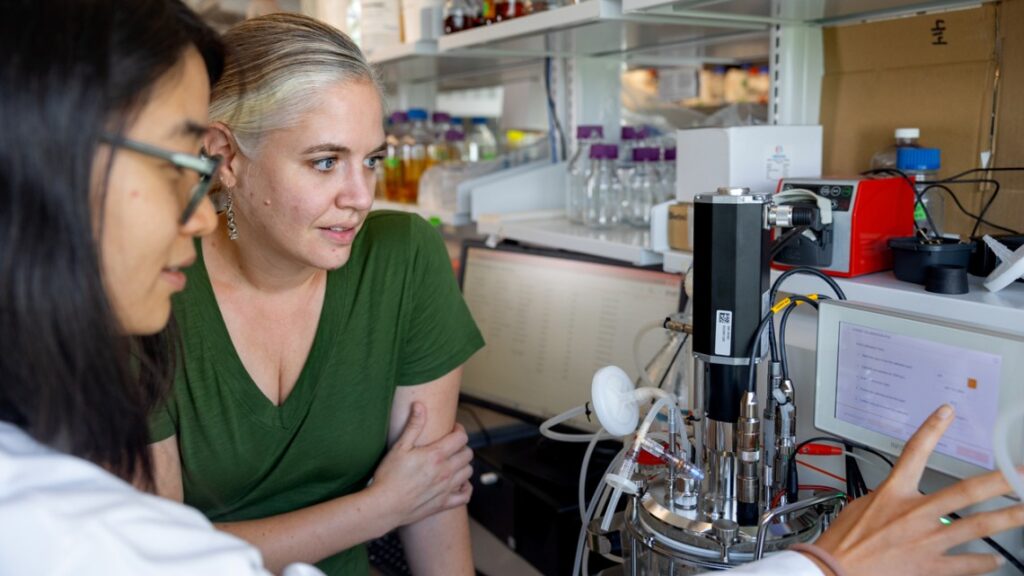
Women inventors made up just 13% of US patent holders in 2019, according to an October 2022 report by the USPTO.

Yang Yang, a Ph.D. candidate at Cornell University, is one of them. She met her adviser as a student while pursuing a master’s degree in architecture. Her adviser was researching urban mobility systems, which led Yang to pursue her doctorate.

“My adviser is relatively young. I was his second Ph.D. [student],” Yang, 31, said. “At the time that I joined the lab, I was the only woman.”

There are now two women among the four doctoral candidates at Cornell’s environmental systems lab. Yang will receive new funding as part of the Ignite Fellow for New Ventures program after she graduates. She filed her first provisional patent application in 2022 as a requirement for the upcoming postdoctoral fellowship.

Central to her success is Cornell’s Center for Technology Licensing, the university’s technology-transfer office, which focuses on commercialization and partnerships geared toward helping inventors profit from their creations.

Cornell determined only 23% of its inventors who submitted invention disclosure forms between 2009 and 2017 were women, according to the university’s website.

Alice Li, executive director of the Center for Technology Licensing at Cornell, said the university launched the Women’s Innovators Initiative in 2020 to introduce women faculty, staff, and students to technology innovation and commercialization. The initiative has a mentorship program, workshops, and awards that highlight women inventors. The center is now working to expand its outreach and resources to other historically disadvantaged groups, she said

“It takes an overall village. Many people want to help but not everyone realizes exactly what the gap is and how to help,” Li said, who envisions support programs that start earlier in Ph.D. training to build foundations toward inventorship. “You want to help in a way that’s productive and inclusive and make real changes in a way that really benefits.”

Click here for a detailed read.

Three new apple rootstocks bolster Geneva’s distinguished program

Cornell AgriTech’s Geneva Apple Rootstock Program, under the College of Agriculture and Life Sciences (CALS), has made a significant global impact on apple cultivation. The program introduces three innovative rootstocks – Geneva 257, Geneva 484, and Geneva 66 – each tailored to specific growing conditions and resistant to diseases like fire blight.

Geneva 257 is ideal for high-density orchards and larger fruits, Geneva 484 enhances productivity and yield, and Geneva 66 suits cider-apple growers. These rootstocks, developed over 40 years and licensed through the Center for Technology Licensing at Cornell, are part of Cornell’s commitment to addressing future challenges in apple cultivation, including climate change and water salinity.

“CTL has licensed past apple rootstock releases to domestic and international nursery partners for over the last 30 years and will continue licensing these three newest varieties for commercial uptake,” said Albert Tsui, the Associate Director of Licensing – Plant Varieties at CTL.

Click here to read the full article.

Embarking on Innovation Exploration: Meet the New Cohort of CTL’s 2023 Practicum Program 

The Center for Technology Licensing (CTL) at Cornell University is delighted to announce the commencement of its Practicum program for the 2023 cohort. The CTL Practicum is a valuable opportunity for graduate students and postdoctoral fellows in STEM and MBA disciplines at Cornell to immerse themselves in the practical aspects of commercializing university-based research and explore alternative paths for careers around innovation. The program aims to provide hands-on experience in innovation assessment, commercialization strategy, patenting, and licensing agreements. Successful participants will contribute meaningfully to CTL’s mission, gaining valuable skills and broadening their career options while supporting Cornell’s innovation and venture initiatives. 

“From the online application to the interview process, new practicants were selected based on their strong interest in technology transfer, innovation, and entrepreneurship,” expresses Kris Valentine Behnke, the Innovation Outreach Manager at CTL. “Taking on projects aligned with their scientific expertise but also expanding their bank of technical knowledge, the practicants collaborate closely with business development and licensing teams, promoting and marketing cutting-edge Cornell technologies to potential licensees.” 

Meet the new cohort who recently embarked on a journey exposing them to Cornell innovation, learning of intellectual property and the basics of licensing, and meaningful contributions. 

Jiaqi Zou, a Ph.D. student under Dr. Aydemir Lab at the Division of Nutritional Sciences. Jiaqi is a food enthusiast who enjoys cooking, reading, traveling with friends, and exploring new places to eat outside of work. “Jiaqi’s experience in chemistry and chemical biology gives her a good foundation to work with many of the technologies that come through our office. She’s working with me to market a new diagnostic for tuberculosis,” expresses Marie Donnelly, a Business Development and Licensing Associate at CTL.  



Katerina Roth, a Ph.D. Candidate in Dr. Abby Snyder’s Lab at the Department of Food Science. Katerina finds joy in horseback riding, mushroom foraging, and spending time with her two dogs. She also dedicates her time to outreach within her department, field, and community. “Food Science is a very applied field, and CTL gets a lot of inventions from that department. We’ve been fortunate to work with some really talented Practicants from Food Science in the past, and Katerina is no different,” Marie says as she works closely with Katerina. “She already has experience in science communication, which is a key skill we are all working to develop in this program.” 



Eric Wang, an MBA student at Cornell SC Johnson College of Business and the president of the Johnson Running Club, enjoys long-distance running, reading, and playing musical instruments such as the violin and piano. “Eric already has entrepreneurial experience in the healthcare industry, so he brings a great perspective to inventions in that field,” Marie notes. “He’s also willing to stretch himself and is currently working with me to develop materials for a biomining technology.” 


Mark Yde, a Master’s student in Systems Engineering. This winter, you can find Mark taking a cold-plunge in Seneca Lake, flying a single-propeller Cessna out of Ithaca Airport, or tending to his baby Mulberry trees as they battle the cold. Iris Bica, a Business Development & Licensing Associate at CTL  @ WCM who worked with Mark in the past, expresses, “Mark is able to leverage his experience in investing and systems engineering to work on projects from a variety of subject areas. He has a keen eye for identifying the key aspects of new technologies and has worked with me to develop marketing materials for a complex computational method for improving biomedical imaging.” 


Jeremiah James, a Ph.D. candidate in Dr. Rong Yang’s lab in the Chemical and Biomolecular Engineering Department. Outside of the lab, Jeremiah likes to study Mandarin and Hanzi; it enables him to connect with others, and, in his words, “it’s just cool.” He also enjoys learning about real estate and is working on building a portfolio of properties in Ithaca to develop his company, Adaptive Rentals. Lastly, He loves entrepreneurship, mentoring, chess, exploring, and chatting with friends.  “Jeremiah’s background in biomedical engineering and entrepreneurship lends itself well to exploring technologies in molecular and biomedical engineering,” Iris notes. “Jeremiah has great science communication skills and has worked with me to generate marketing materials for a next-generation medical device for craniosynostosis.” 

 

Abigail Nason, a Ph.D. student under Dr. Jin Suntivich in the Materials Science and Engineering Department. Abigail finds pleasure in cycling along the rolling hills of Ithaca during the summer and loves spending time at the Lindseth Climbing Center during the winter. Abigail is working with Maxim Shabrov, a Business Development and Licensing Associate at CTL, on technologies in a variety of fields, including textile recycling and moisture management, digital privacy, wearables, and medical devices. Abigail is interested in learning about how emerging technologies are accessed for commercial potential, as well as about specifics of intellectual property protection. Abby’s role is to conduct market due diligence and customer research and identify and engage with potential commercialization partners. “She is very proactive and enjoys thinking broadly about potential market applications for a given technology,” expresses Maxim.  

 

Tian Tang, a Ph.D. candidate advised by Prof. Lynden Archer at the Department of Materials and Science Engineering. Tian spends her spare time enjoying travel and exploring new restaurants, particularly those offering spicy cuisine. 



Nicole Maurici is a Postdoctoral Research Associate in Dr. Brian Crane’s group at the Department of Chemistry & Chemical Biology. In her spare time, she enjoys playing tennis, cooking, and painting outside of research. 


Maggie Elpers, a Ph.D. candidate under Dr. Jan Lammerding at the Meinig School of Biomedical Engineering. Maggie enjoys spending time outdoors running or hiking, attending concerts, and traveling. 



Nicole, Maggie, and Tian have worked with Sarah Ward, a Business Development and Licensing Associate at CTL, who shares that, “Nicole and Maggie prepared marketing materials for (I) patient-specific spinal implants and (II) new degradable plastics, respectively. They and Tian will continue to work with each BDLA on a wide variety of technologies for different types of projects, including tech briefs, prior art searches, and slide decks.” 

From a diverse array of academic disciplines, colleges, and personal interests, these individuals share an eagerness to contribute meaningfully to the support of Cornell’s innovation. Their journey either within academia or outside academia promises to be one of exploration, innovation, and meaningful contributions to both CTL’s mission and Cornell’s legacy of groundbreaking research and technological advancements. 

Visit the CTL Practicum website for more information about this program. 

Unlock the Secrets of Tech Transfer at Cornell University’s IP Series

Cornell University, a renowned hub for innovation, is on a mission to protect and leverage intellectual property, igniting the transformation of emerging technologies into tangible breakthroughs. On September 27, 2023, the Center for Technology Licensing (CTL) at Cornell University hosted its first IP series for Fiscal Year 2024, a compelling conversation with experts and directors revealing the essential intricacies of the Tech Transfer Process. 

Dr. Lisa Placanica, Senior Managing Director at CTL@WCM, provided the why behind Cornell’s commitment to tech transfer and commercialization. She explained that the university’s policy of owning intellectual property developed by faculty, trainees, and staff aims to benefit the public by translating research, attracting talent, expanding research opportunities, and fortifying industry connections. The best part? There is no financial risk for those who collaborate with CTL, as the university covers all associated costs. 

So, what does the technology commercialization process entail? 

Research and Ideation: This is where the journey begins, with the generation of innovative ideas and research. 

Disclosure: Early communication with CTL is crucial. When you believe you have a potentially protectable and valuable innovation, reach out to CTL as soon as possible. They will assess the innovation’s potential and determine if further development is needed. 

Evaluation: CTL examines the submitted innovation and engages in discussions with the innovator. This marks the start of a feedback loop where they consider both protecting the intellectual property (IP) and planning for its marketing, licensing, or other commercialization strategies. 

Protecting IP: CTL assists in making decisions about how to protect intellectual property, considering various options and approaches to safeguarding it. 

Commercialization: CTL explores different avenues for commercializing the technology, which may include licensing, startups, or other strategies.  

But that is not all—William Pegg, Director of Intellectual Property (IP) at CTL, delved into the world of patents, trademarks, and copyrights. Patents, he explained, offer temporary monopolies in exchange for public disclosure, safeguarding the seed of innovation. Copyrights protect original works, while trademarks serve as beacons of product origin. 

Martin Teschl, the lead at CTL’s Physical Sciences business development and licensing team, emphasized the pivotal role of inventors in the entire process. It is not just about innovation but also active involvement in creating commercial opportunities. Networking, outreach, and marketing materials like tech briefs play crucial roles in turning these innovations into tangible successes. 

If you are eager to uncover the secrets behind technology commercialization, this event is a must-watch. Cornell University’s IP Series unlocks the doors to innovation, IP protection, and transformative breakthroughs. Do not miss out on the opportunity to learn and get inspired by the experts who are driving innovation at one of the world’s leading academic institutions.

Watch the recording here.


Author: Catherine Yingzi Lin

Tips for Strengthening Innovation Ecosystems and Technology Transfer

In a guest post on Pantently-O, Alice Li, Executive Director at the Center for Technology Licensing (CTL) at Cornell University and an AUTM Board Member, discusses that the crucial role of technology transfer in fostering innovation and commercialization is underscored. The article, part of the Diversity Pilots Initiative (DPI), initiated by AUTM, aims to promote inclusive innovation through meticulous research.

Alice also focuses on AUTM’s commitment to Equity, Diversity, and Inclusion (EDI) through its strategic approach. This includes the establishment of an EDI Committee to integrate diversity into every aspect of technology transfer, from education and promotion to professional networks. She urges universities, institutions, and technology transfer professionals to actively engage in AUTM’s initiatives, such as incorporating Innovator EDI Data into metrics for innovation, participating in demographic surveys, and joining mentoring programs.

Finally, she highlights the Ignite gap funding series managed by CTL, designed to support early-stage technologies with substantial commercial potential, emphasizing the importance of reaching out to diverse candidates to foster a more inclusive innovation ecosystem. The collective efforts of all stakeholders are deemed crucial in building a robust technology transfer system and promoting diversity in invention.

Read more about the article here.

Second Cohort of Ignite Fellows: Unveiling Diverse Venture Potential Across Cornell’s Campus

The Center for Technology Licensing (CTL) at Cornell University is proud to announce the selection of six talented individuals for the second cohort of the Ignite Fellow for New Ventures program. These fellows, chosen for their entrepreneurial outlooks, technical expertise, and new venture proposal, will work with faculty inventors to establish companies based on Cornell’s technologies. The program aims to foster innovation and support the translation of research into real-world applications that can make a significant impact.

The program provides the Ignite Fellows with the necessary resources to demonstrate proof of concept and focus on expanding their technology and business strategies. Financial support is allocated toward the fellow’s compensation and basic experiment expenses.

“The six selected Fellows have applied to the program together with a faculty inventor,” said Alice Li, executive director at CTL. “The Fellows will embark on a transformative journey to translate the technologies coming out of the faculty’s labs to develop viable startups that have the potential to shape the future.” 

The selected venture projects encompass a diverse range of academic disciplines, demonstrating the breadth and depth of technologies emerging from Cornell University. “This approach not only fosters collaboration between fellows and faculty inventors but also unlocks the potential for transformative innovations that can address pressing challenges in various sectors,” said Li.

The selected fellows and their venture projects are:

Technology: Ultrasound-assisted Reproductive Technology

  • Fellow: Amir Mokhtare, Ph.D.
  • Faculty Inventor: Alireza Abbaspourrad, Ph.D., Yongkeun Joh Associate Professor of Food Chemistry and Ingredient Technology, Food Science, College of Agriculture and Life Sciences
  • Venture project: Amir will work to commercialize tools related to artificial reproductive technology (ART). The invention enables a non-contact solution for both male and female gametes generation as part of a platform that offers greater affordability for patients undergoing in vitro fertilization.

Technology: Augmented Reality Face Tracking

  • Fellow: Devansh Agarwal, MS
  • Faculty Inventor: Cheng Zhang, Ph.D., Assistant Professor, Cornell Bowers CIS
  • Venture project: Devansh will apply machine learning-based motion-tracking technology to capture and interpret inaudible pressure waves allowing the digital modeling of human body motion and facial expressions for a wide range of augmented reality devices.

Technology: Gallium Oxide Vertical Transistors

  • Fellow: Jonathan McCandless, Ph.D.
  • Faculty Inventor: Debdeep Jena, Ph.D., David E. Burr Professor of Engineering, College of Engineering
  • Venture project: Jonathan is working to commercialize gallium oxide vertical transistors. The team has developed novel fabrication methods that enable the use of Gallium Oxide transistors in high-voltage applications. Potential startup could apply the technology to power electronic devices, a large and growing market critical to advanced electrical transmission infrastructure.

Technology: Lubricin for Osteoarthritis Applications

  • Fellow: Marshall Colville, Ph.D.
  • Faculty Inventor: Matthew Paszek, Ph.D., Associate Professor, Smith School of Chemical and Biomolecular Engineering, College of Engineering
  • Venture project: The technology offers a new way to produce lubricin, a naturally occurring biomolecule that forms the low-friction barrier on cartilage. Potential applications include the treatment of Osteoarthritis, a disease affecting millions of people worldwide.

Technology: Tunable Wireless Radio

  • Fellow: Olalekan (Lekan) Afuye, Ph.D.
  • Faculty Inventor: Alyssa Apsel, Ph.D., IBM Professor of Engineering and Director, Electrical and Computer Engineering, College of Engineering
  • Venture project: The technology enables a reconfigurable wireless transceiver that can be used in a wide variety of wireless data transmission frequencies. Lekan will advance potential applications in software-defined radio chips, a large and growing global market.

Technology: Urban Design Software

  • Fellow: Yang Yang, Ph.D. candidate
  • Faculty Inventor: Timur Dogan, Ph.D., Associate Professor, Department of Architecture, Cornell Architecture, Art, and Planning
  • Venture project: Professor Timur and Yang have developed a software-based mobility simulation and analysis tool for urban design. During the Fellowship, Yang will be  leading the effort for a startup for urban planners to make better design decisions that can lead to healthier, more sustainable, and more livable cities.

“Throughout the program, which consists of two phases, the Ignite fellows will receive comprehensive entrepreneurial training at the beginning of the program and continued learning opportunities organized by CTL, and mentorship by the incubator directors to equip them with the necessary skills and knowledge to navigate the complex landscape of entrepreneurship successfully,” said Lynda Inseque, director of Technology and Venture Initiatives & Engagement at CTL.

The Ignite Fellow for New Ventures Program continues to showcase Cornell University’s commitment to innovation, entrepreneurship, and collaboration. By nurturing the brightest minds and providing them with the resources and mentorship needed to succeed, the program aims to empower its fellows to make a lasting impact on society through technology-driven ventures.

Applications for the Fellow for New Ventures 2024 cohort open on November 13, 2023. Learn more about the program and application process here https://ctl.cornell.edu/ignite/fellow-for-new-ventures/.

The Ignite Fellow for New Ventures program is one of the signature programs of Ignite Cornell Research Lab to Market gap funding series. For more information, visit the official program website at https://ctl.cornell.edu/ignite/


CTL Ignite Contact
Lynda Inséqué
Director, Technology and Venture Initiatives & Engagement
lci2@cornell.edu

Aaron Delahanty
Venture Fellow
abd99@cornell.edu

Media Contact
Veronica Buezo Talavera
Manager, Digital Media & Marketing
vbt6@cornell.edu

Researchers commercialize rare-earth tech with I-Corps help

Cornell researchers-turned-entrepreneurs are commercializing a technology with the potential to upend the rare-earth elements industry – with implications for sustainability and even national security.

Rare-earth elements are essential components in many electronics and renewable energy technologies, but currently most of them are extracted overseas in a costly and environmentally damaging process.

Alexa Schmitz, Ph.D. ’18, has developed a cleaner process for extracting these elements. Through research in the Barstow Lab in the Department of Biological and Environmental Engineering in the College of Agriculture and Life Sciences, Schmitz and doctoral student Sean Medin, M.S. ’22, engineered microbes to extract and purify rare-earth elements from minerals and recycled materials without the negative environmental consequences.

Alexa Schmitz, Ph.D. ’18, (right) co-founder and CEO of REEgen, talks with Brooke Pian, lab director at REEgen, at the Center for Life Science Ventures in Weill Hall.

Alexa Schmitz, Ph.D. ’18, (right) co-founder and CEO of REEgen, talks with Brooke Pian, lab director at REEgen, at the Center for Life Science Ventures in Weill Hall.

Check out the full article from the Cornell Chronicle.

Unleashing Potential: Ignite Intern for Startups Empowers Cornell Students to Connect with Technology Startups

In its second consecutive year, the Center for Technology Licensing (CTL) at Cornell University has renewed its support to Cornell licensed startups through the Ignite Intern for Startups program, which allows the recruitment of Cornell students during summertime. Ten startups have been selected after submission of their internship application to CTL. Each startup has been awarded to receive student support of up to$10,000 through the program, amounting to $100,000 in financial support for the fiscal year of 2023.

The program aims to support the growth of these very early-stage startups spanning various industries. It equally offers students at Cornell an invaluable opportunity to gain real-world experience. The Ignite interns will develop and hone their skills through full-time employment for 11 consecutive weeks, assisting startup founders with tackling various important market and research challenges.

“We are thrilled to welcome this talented group of students to the Ignite Intern for Startups program,” said Alice Li, executive director at CTL. “Their fresh perspectives will undoubtedly bring energy to the selected startups, helping them accelerate their growth to make a lasting impact in their respective industries.”

The interns selected by the Cornell licensed startups are:

Ignite InternStatusCornell CollegeCornell Licensed Startup
Thomas GambraUndergradEngineeringREEgen
Marie LeUndergrad  Agriculture and Life SciencesForte Protein
Jordan JohnsonM.S. StudentEngineeringMission-Driven Tech
Arya RamkumarUndergrad  SC Johnson College of BusinessPelex
Tanisha KoreUndergradBowers CISAbstractive Health
Doriane AngladeUndergradArts and SciencesEsper Biosciences
Dhruva NairPh.D. StudentArts and SciencesSedec Therapeutics
Landon IvyPh.D. StudentEngineeringGeegah
Madeleine SlavettUndergradEngineeringLLume
Not disclosed*  MedExplain

* Respecting the privacy of the student, this information is not disclosed

The Office of the Vice President for Research & Innovation at Cornell plays a crucial role in facilitating the hiring process on behalf of the participating startups while fostering a learning environment. Managed by CTL, the program maintains inclusivity and accessibility for all Cornell students to open opportunities within the participating companies. During the recruitment period, job opportunities are posted on the CTL’s website and shared on Cornell’s Student Job portal.

“The Ignite Intern for Startups program offers an exceptional platform to bridge the gap between academia and the industry world,” said Lynda Inseque, assistant director, Technology Initiatives & Outreach at CTL. ” By providing funding for these internships, we are not only assisting in the development of students but also nurturing pre-series A startups at a crucial time of their growth. Our underlying objective is to expose students to practical experiences that will equip them to support Cornell’s new venture and startup ecosystem in the long run, fostering innovation.”

The Intern for Startups program is part of the Ignite Cornell Lab to Market gap funding program umbrella. For more information, visit the program’s official webpage at https://ctl.cornell.edu/ignite/.

High-Risk, High-Reward

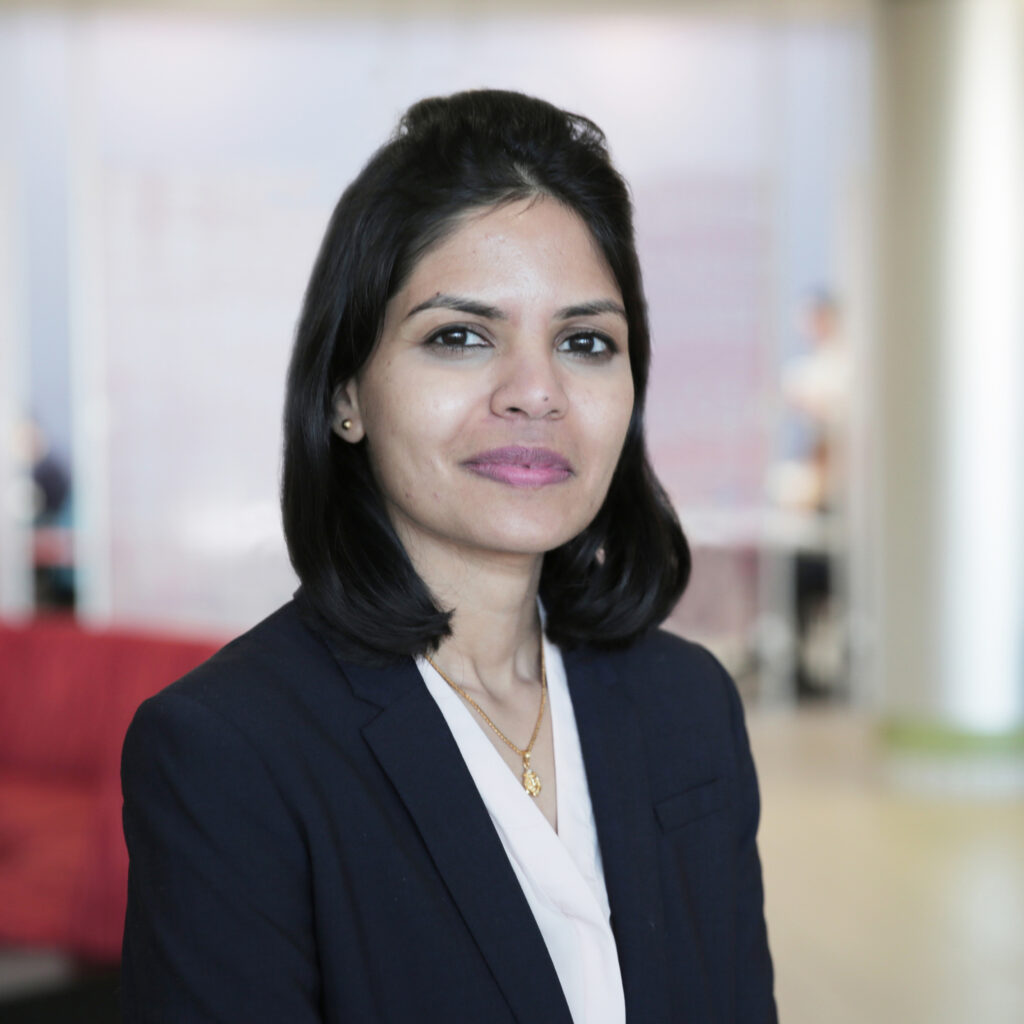
As the senior managing director for the Center for Technology Licensing at Weill Cornell Medicine (CTL), Dr. Lisa Placanica (B.A. ’00, Ph.D. ’09) leads the office responsible for intellectual property and commercialization matters for innovations arising from the institution. Dr. Juan Cubillos-Ruiz, the William J. Ledger, M.D., Distinguished Associate Professor for Infection and Immunology in Obstetrics and Gynecology, received support from the Daedalus Fund for Innovation for his research on a specific protein target in the endoplasmic reticulum stress response pathway as a potential new form of cancer treatment. With the help of CTL, he co-founded an immunotherapy startup that, for several years, pursued the development of first-in-class drugs blocking this pathway.
Get the news from Weill Cornell Medicine Magazine here.

Cornell Startup Carbon to Stone Enters Carbon Removal Pre-Purchase Agreement With Frontier

Greeshma Gadikota

Carbon To Stone, a carbon management and resource recovery startup at Cornell University in Ithaca, New York, has received a $500,000 carbon removal pre-purchase agreement from Frontier, an advance market commitment that aims to accelerate the development of carbon removal technologies by guaranteeing future demand for them. The $500,000 pre-purchase agreement is an advance payment for the removal of sequestered carbon dioxide through direct air capture and carbon mineralization.

Carbon To Stone, a carbon management and resource recovery startup at Cornell University in Ithaca, New York, has received a $500,000 carbon removal pre-purchase agreement from Frontier, an advance market commitment that aims to accelerate the development of carbon removal technologies by guaranteeing future demand for them. The $500,000 pre-purchase agreement is an advance payment for the removal of sequestered carbon dioxide through direct air capture and carbon mineralization.

Carbon To Stone is developing strategies to capture carbon dioxide from air and store it as a durable solid carbonate – an approach that could support a negative emissions strategy. This technology is an outcome of efforts by the research group led by co-founder Greeshma Gadikota, assistant professor and Croll Sesquicentennial Fellow in Civil and Environmental Engineering in the College of Engineering. Gadikota’s research is centered on addressing critical questions associated with the consequences of how we use energy and resources and their impact on a changing climate.

“Meeting our energy and resource needs while achieving ecological balance and stabilizing climate need not be mutually exclusive,” she said. “Transformative, scalable and realizable technologies are essential for driving a sustainable climate, environmental and energy future.”

Carbon to Stone’s technology is licensed through Cornell University’s Center for Technology Licensing (CTL).

“At CTL, we have been pleased to support Dr. Gadikota’s innovative and entrepreneurial growth, from patenting to supporting her through the Ignite Fellow for New Ventures program,” said Alice Li, executive director at CTL. “She was a winner of the inaugural Rising Women Innovator Award as well as the top award at Entrepreneurship at Cornell’s Eclectic Convergence in New York City this year. We are proud of her achievements and are looking forward to what is yet to come.” 


Get the Cornell Startup Carbon to Stone Enters Carbon Removal Pre-Purchase Agreement With Frontier article on the Chronicle.